Be yourself; Everyone else is already taken.
— Oscar Wilde.
This is the first post on my new blog. I’m just getting this new blog going, so stay tuned for more. Subscribe below to get notified when I post new updates.
Be yourself; Everyone else is already taken.
— Oscar Wilde.
This is the first post on my new blog. I’m just getting this new blog going, so stay tuned for more. Subscribe below to get notified when I post new updates.
Overall, Los Angeles in Film and Fiction has been my favorite class I have taken so far here at Chapman. Almost all of the movies and different texts that we have studied have been insightful and very entertaining. I would have to say that the highlight of my experience in the class was probably the screening of the movie Drive by Nicolas Refn. It was definitely my favorite movie out of all the films we watched. The beginning car chase has to be in my top ten most suspenseful and satisfying scenes of all time. The class helped to reinforce the conceptions that I had of the city of LA. I always thought that LA was a place of opportunity but I had my reservations regarding how many opportunities were actually out there. This class helped me to see the not so sunny sides of Los Angeles. It is very much so a place where dreams go to die. There are so many people with so many ambitions that there is bound to be those who fall behind. But at the same time, this class also exposed me to the beauties that Los Angeles has to offer. As I said before my favorite text was Drive and unfortunately my least favorite movie we watched had to have been Billy Wilder’s Sunset Boulevard. Maybe it was because I was cold out by the pool, but I also didn’t really like the plot and for some reason, I had a strong dislike for Norma Desmond in that movie. This class has been so much fun and I would suggest it for anyone who is a freshman at Chapman.

Mulholland Drive is a film by David Lynch that follows the real and dream worlds of a woman named Diane Selwyn. It is easy to get confused with the plotline of the story because the plot shifts between a dream world that Diane is imagining, and the real world that Diane actually resides in. This film is a terrific example of postmodernism artwork. In order to prove this it is important that we know what the term “postmodernism” means. Postmodernism is exactly what it sounds like. It refers to pieces of art (movies, paintings, television, music, poems, etc.) that were released after and disagree with modernist ideals. Modernist support things like industrialism, progress, and capitalism. So in opposition to this, postmodernism focuses on disputing these ideals and looking for deeper meaning rather than taking them for face value. Mulholland Drive reflects these postmodernism characteristics because the movie as a whole is a giant illusion that tricks the audience. Throughout the movie, the audience never really knows what the real “truth” is. A scene that exemplifies this is the Club Silencio scene.

As we discover by the end of the movie, most of the movie was just a dream. Things are similar in the Club Silencio scene. At the beginning of the performance, we are told by a man that none of the music that will be played is live, rather everything is pre-recorded. This is first shown by a man who plays the trumpet but it is later shown that the trumpet is pre-recorded. As Diane and Rita watch from the audience a woman comes out to sing. As she begins to sing we notice that her voice is beautiful. So beautiful in fact that Diane and Rita begin to cry. But the woman then collapses as her song continues on. This connects to the movie as a whole. What we thought was a beautiful song was actually pre-recorded. And what we thought was a reality (Diane being a popular movie star) was actually a dream. Lynch is trying to tell us that we can never trust what we think is the truth. It is up to us to create our own personal truth. This is just one example of the multiple postmodernism aspects found in Mulholland Drive.
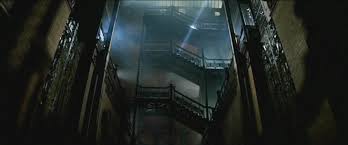
Any film enthusiast knows the significance of the Bradbury Building in Hollywood films. It has starred in countless blockbuster hits like Chinatown, Lethal Weapon 4, Marlowe, and of course, it played the infamous house of the Toy Maker in Ridley Scott’s Blade Runner. The use of the Bradbury building in this film is significant. The film is set in a futuristic Los Angeles, that is part of a technologically advanced society. Although with all of these technological advancements, most of the film is set in the ghettos and slums of Los Angeles. The Bradbury is no exception in this film. The Bradbury as we know is usually perceived as a grand monument of Los Angeles history. In Blade Runner, it is the exact opposite. The building is worn down and not maintained at all. This reflects the actual plotline of the Blade Runner movie. In this universe, technology has advanced the human race but it has also ravaged the planet that we live on. Most of the higher class of humans have left Earth altogether. Much like the Bradbury, we have abandoned the things that we once held at high regard and value.
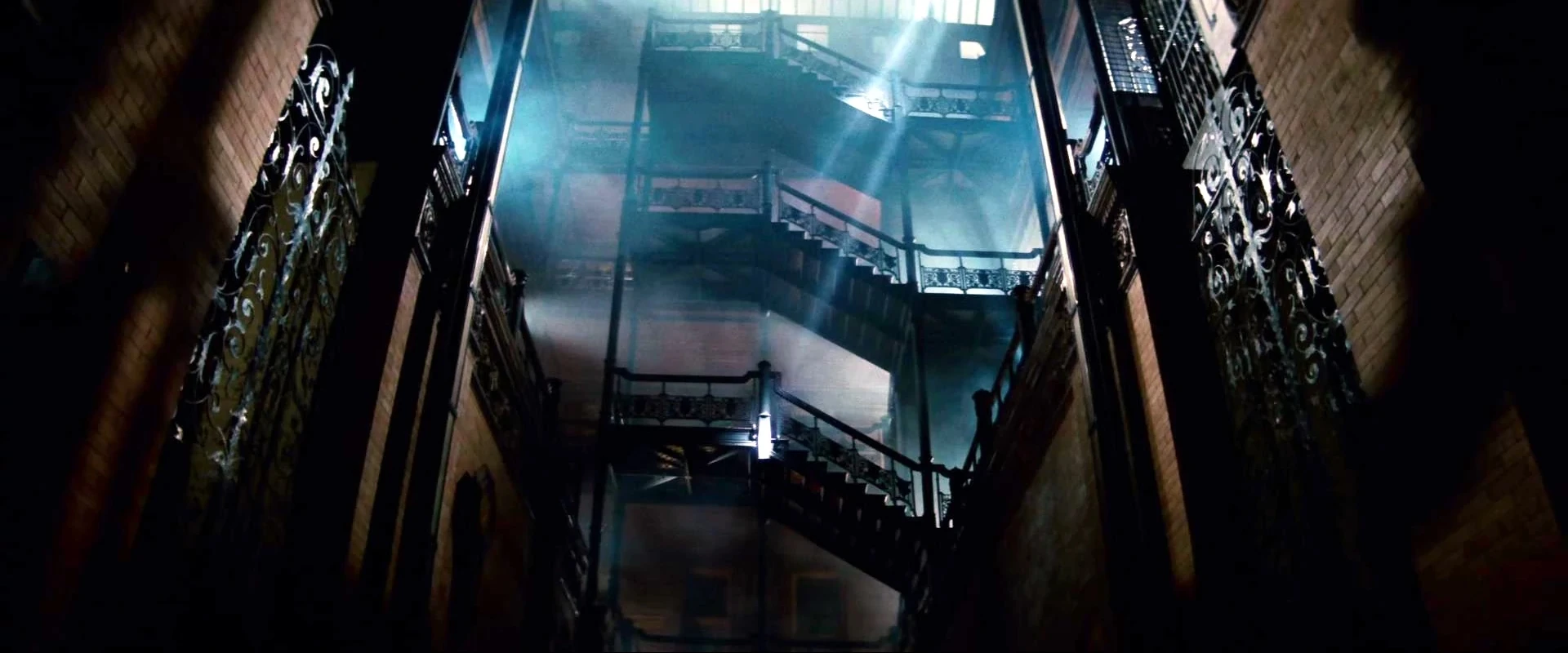
The history of the building is also very interesting. At the time of the filming, The Bradbury had been in a slump of low maintenance and this played well with the theme of abandonment in Blade Runner. Also during the original construction of the building, it was supposed to look like how a building would look in the year 2000. Because it was originally commissioned in 1893 there was no way for architects to know what buildings in 2000 would look like. However, they did achieve a building with a an old style that has an undeniable modern flare. Making it even more perfect for a movie like Blade Runner. This proves that although the building has gone through its ups and downs, the architecture of it will always stand out and withstand the tests of time.
The Los Angeles riots of 1992 were a very trying time in American history. The beating of Rodney King was a truly horrendous act and no one could have guessed the repercussions that were to come from it. It brought to light the hypersensitive topic of racial inequality in American society. And even more controversial the prejudice conduct displayed that night by the LAPD, the department sworn to protect and serve the citizens of Los Angeles. Although racism is what sparked the riots, its impact was anything but discriminative. People from all walks of life were affected, as the violence and turmoil lasted for 6 days. Ryan Gattis does an astounding job of showing this by recounting 17 different perspectives of the riots in his thrilling novel All Involved.
Violence is a big part of the novel. Almost all of the characters are affected by it at some point whether it is violence done to them, violence that they witness, or violence done to someone that they know. This violence connects all of the different “voices” together. As pessimistic as it might sound, nothing is as relatable as suffering. As all of these characters struggle through these trying times, they will never forget the lessons and horrors that the riots bring them.
The voice I chose to focus on was Ernesto Vera. Besides being the opening voice of the Novel, Ernesto has undoubtedly gone through the most agony. Although Ernesto is only alive for a couple of pages in the Novel, we learn a lot about him and how living in Los Angeles has affected him. He is the son of illegal immigrants and the oldest of three siblings. Because of all of the gang violence around him, he has become numb to most of it. When he first hears about the riots he is somewhat unfazed. To him, it is just another day in this troubled city, so he chooses not to focus on any of it. Even though he lives amongst all of this anguish, in his own way, Ernesto is very driven. He only wants to focus on his goals and career, he wants to quit working at his Mexican food truck, and become a Japanese cuisine chef. Some might consider this mindset selfish. But to Ernesto, he is just being smart. He chooses to accept the city for what it is, and make the best of it for himself.
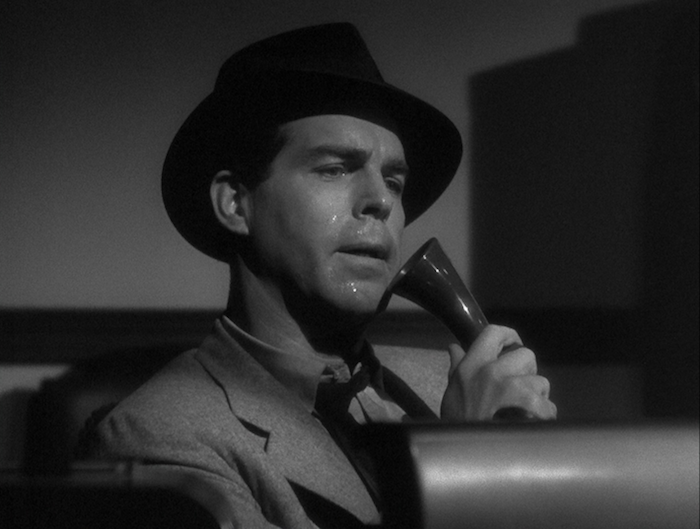
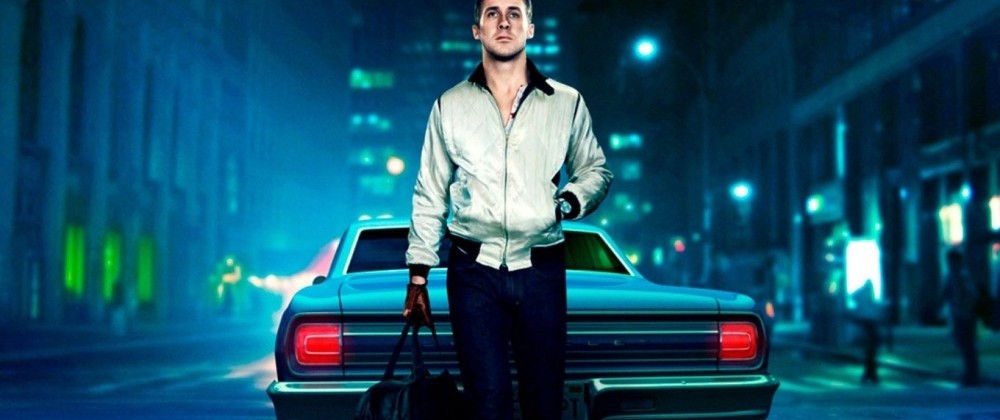
Billy Wilder’s Double Indemnity and Nicolas Winding Refn’s Drive are two texts that are chock full of accurate comparisons to one another. One of the biggest commonalities is that both films have a main male character who have committed horrible sins in the past but now hope to change the way they are and become better people. In Drive the Driver, after having met Irene and getting a glimpse of a happy family life, wants to become a better person so he wants to get out of the criminal life. As we see through the rest of the film this isn’t possible for him and his past catches up to him. He ends up losing Irene and hopes for a happy normal life to the person that he has become. In Double Indemnity Walter also commits crime and like driver he knows he is wrong and wants to become better. Perhaps he is trying to save his own soul. In the end though his crime and his crime partner (Mrs. Dietrichson) have led him to his doom. Both of these characters realize that they are wrong and try to do things to become better; Driver tries his best to get out of the criminal life, and Walter makes a taped confession to Keyes. Driving also has a big influence on the plot of these movies as well. In Drive the Driver’s job is as a getaway driver and many of the films best and most important scenes are in a car. For example the scene in the LA river canal with Driver, Irene, and Benicio is a huge turning point in the plot because it is one of the scenes where Driver realizes that life can be so much better than the way he lives it now. I would argue that it is where he decides to quit his life of crime in pursuit of a normal family life with Irene. In Double Indemnity Walter and Mrs. Dietrichson use a car as their getaway after planting Mr. Dietrichson’s body on the train tracks. Walter also uses his car in his alibi when he leaves it downstairs for Charlie to clean so Charlie can see him twice and place him at the apartment that night. Also when the duo get back into the car after planting Dietrichson’s body the car doesn’t start at first. This is foreshadowing that even though they thought everything would go smoothly it is inevitable that something will go wrong. In both of these films the main reality that both of these characters face is that crime and evil do no go unpunished. In both of these films the urban environment is on the side of the good. Both of these characters commit crimes and are trying to make up for it and become better for most of the rest of the plot. In this way LA is perceived in almost a righteous way. The fact is that if you do wrong, you will suffer the consequences of those actions, a realization that both main characters come too. The Driver lost his girl and a shot at a normality, and Walter paid for his actions with his life.
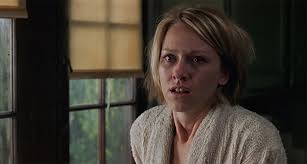
Mulholland Drive is a film by David Lynch that follows the real and dream worlds of a woman named Diane Selwyn. It is easy to get confused with the plot line of the story because the plot shifts between a dream world that Diane is imagining, and the real world that Diane actually resides in. This film is a terrific example of postmodernism artwork. In order to prove this it is important that we know what the term “postmodernism” means. Postmodernism is exactly what it sounds like. It refers to pieces of art (movies, paintings, television, music, poems, etc.) that were released after and disagree with modernist ideals. Modernist support things like industrialism, progress, and capitalism. So in opposition to this, postmodernism focuses on disputing these ideals and looking for deeper meaning rather than taking them for face value. Mulholland Drive reflects these postmodernism characteristics because the movie as a whole is a giant piece of irony. The beginning of the movie is all a dream state that Diane is having. In this dream state she (Betty in the dream) is just moving to Hollywood to further her already flourishing acting career. Throughout the dream things start to not make sense until finally about two thirds of the way into the film the settings shift and the characters names are all switched up. This is because the movie is now in the real world. In reality, Diane is a failed actress and there is no hope left in her acting career. Through a series of motifs it becomes obvious that things in her dream reflect horrible choices that she has made in real life. This is ironic because the thing that she loves to do, which is acting, is what caused her downfall. The promise and hope that she thought she saw in Hollywood has resulted in a failed life. Overall Lynch is trying to show that Hollywood is a mean and ruthless place where people with talent and dreams go to get destroyed by the fact that this so called dreamland is just a vicious money hungry industry that is more likely to kill you than help you.
Any film enthusiast knows the significance of the Bradbury Building in Hollywood films. It has starred in countless blockbuster hits like Chinatown, Lethal Weapon 4, Marlowe, and of course it played the infamous house of the Toy Maker in Ridley Scott’s Blade Runner. The use of the Bradbury building in this film is significant because the film itself is set in a futuristic Los Angeles. I think that Scott wanted to pay homage to the famous building in the film and show that although its use in this imaginary world is far from what it used to be, the building will still withstand the strains of time. Blade Runner takes place in the year 2019, and because the building was built in 1893 that would make the Bradbury 126 years old. Scott’s use of the building as a “futurized” antique is phenomenal. The building is obviously recognizable when it is shown in the film as Scott chose not to add any decoration or futuristic aesthetics to the famous railings or halls of the building. Instead he chose to portray the building as an old and abandoned place that has remained true to itself despite all of the technological advances that have been happening around it. This not only proves the longevity of the building but also shows that someone or some people chose to leave the building as the piece of art that it really is. Again I think that Scott is paying homage to the legendary building by showing it as raw and unchanged as possible.
Neo-Noir is a term used to describe films that were released past the classic “noir” period. Usually they are dark American crime films that contain a male detective and a female character that plays the role of the “femme fatale”. These films use different styles of film making to create a dark and morbid tone. Tilted camera angles, the use of light and shadows and recurring motifs can be used to distinguish Neo Noir films from the rest. Double Indemnity, was a classic example of film Noir and distinguishable features of this film are also found in Neo Noir films such as Chinatown, and Devil in a Blue Dress.
Besides the fact that all three of these films are American based crime stories. The characters in these films are probably one of the best indicators of Film Noir. In Billy Wilder’s Double Indemnity the male detective role is played by Barton Keyes as he tries to discover what truly happened to Mr. Dietrichson. The Femme Fatale role is filled by Mrs. Phyllis Dietrichson as she and Walter Neff, an insurance salesman, plan and execute the murder of her husband to reap the rewards from the life insurance company. In this film betrayal is taken to a whole new level as a wife plans the murder of her husband. The film is also from the perspective of Mr. Neff, so the audience has built an emotional connection to the “bad guy” of the story. The audience will most likely get caught rooting for the man who has just commited a crime worthy of the death penalty. In Roman Polanski’s Chinatown, the male detective is played by Jake Gittes. A Detective called upon by the femme fatale of the story Evelyn Mulwray who wants to bring to light her husband’s affair. This story is also chock full of twists and turns in the plot. One of the biggest of which is when it is discovered that Evelyn is not who she says she is, and she is actually the product of a secret incestual relationship between the real Evelyn and her father. Finally in Carl Franklin’s Devil in a Blue Dress, Denzel Washington’s Character Easy Rawlins takes on the male detective role of this Neo Noir film. Daphne Monet plays the role of the Femme fatale because in the film she is also viewed as a mysterious women that has more gruesome intentions then most people assume. In this film, however, the Racial Divide of the late 1940’s adds even more conflict to Easy’s journey and also causes many unexpected plot twists throughout the story.
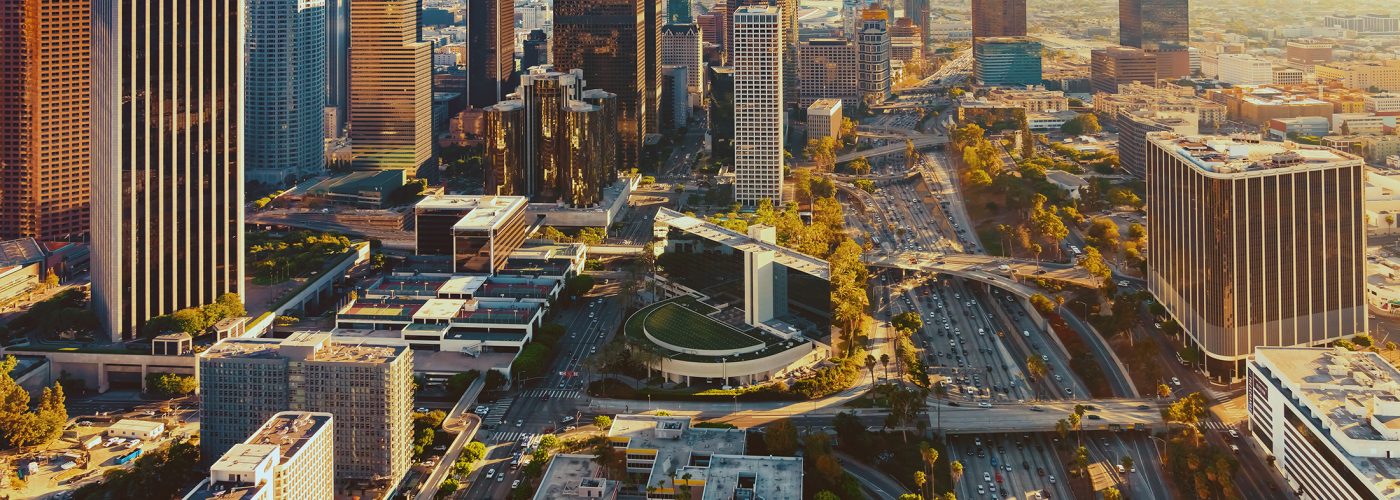
Los Angeles as a city is more than just the setting of these films. The city itself almost plays in as an additional character in these films. It seems to almost motivate or instigate the characters ill mannered decisions. And almost all of the conflicts in these films are started by the greed of one or two character’s. In these films. The city of Los Angeles is a place where everyone on the street is willing and able to double cross you at any point in time. No one who lives in the city is safe.
Billy Wilder’s Sunset Boulevard, William Faulkner’s “The Golden Land”, and Budd Schulberg’s “A Table at Ciro’s” all have a similar attitude when they describe Hollywood in that it is just a city full of illusions. Within these three stories, the director or writer chooses to look at the city through a negative lens. In a town where fame and riches defines who you are to everyone else, people who live there are constantly looking for their chance at the top. This competition creates a dangerous environment of backstabbing, double crossing, and immorality. This Hollywood culture obviously resonated with Billy Wilder, the Director of Sunset Boulevard. Norma Desmond is an old time silent film star who is introduced in the movie far past her glory days. In the movie she is still obsessed with being in the Hollywood spotlight, and her only concern is finding a way back to the top. But LA is a ruthless place, and even the biggest of stars aren’t safe. Norma is an example of that. The city betrayed her because she was thrown into the spotlight as a little girl, and she grew up in a place where your beauty and fame determined worth, rather than your morals or character. In this way I do have a place of sympathy for Norma. Although she is pompous, and unapologetic for her rude behavior, that is the only way that she was taught to act. She has been in the business for so long that it has corrupted her mind and there is no turning back. By the end of the film, life for Norma has clearly become some sort of lucid dream, she forever thinks that the cameras are rolling and she is ready for her close up. In William Faulkner’s “Golden Land” Ira is taken by the city in the same way that Norma was. He has found success in LA but while doing so he has lost all sense of his morality. He hates it here but the city is keeping him tapped, forever blinded by the wealth that he has achieved. And in “A Table at Ciro’s” The staff are stuck working the same jobs because Hollywood’s competitiveness has doomed them. “But he had been in Hollywood too long. Which means that no matter how good a head waiter he was, he was no longer satisfied to be one.” (Schulberg 274).

I wanted to watch Tropic Thunder for this assignment because I have watched the film before, and it will always be very distinguishable. With this star studded cast and action filled plot, Tropic Thunder was an instant classic.
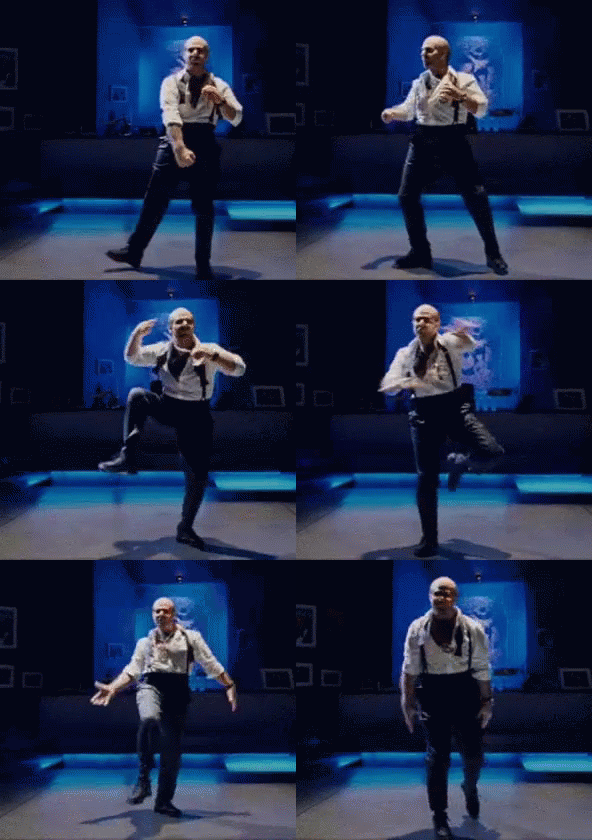
The Hollywood film industry is depicted in a cynical way in Tropic Thunder. Big budget film companies are given a bad wrap in the film because they seem to not care for the well being of the actors and production crew. In Tropic Thunder a group of A-List hollywood actors are casted to play out author Fourleaf Tayback’s novel Tropic Thunder. The rookie director of the film decides that they are going to drop the actors in the middle of the jungle with a specific route for them to follow and act along in hopes of making the film as authentic as possible. Little do they know, there is a real life drug war happening during filming! While the actors struggle to determine what situations are real or scripted, the film company decides to keep the camera running from a safe distance for the best shots. Throughout the movie, the actors are faced with life or death situations but in the company’s eyes, they see it as more money in their pocket. Thus, the movie exposes and exploits the foibles of American celebrities. Instead of being considered for the well being of the actors, Hollywood directors only care if the film becomes a hit.
A scene in the movie that shows this is when Les Grossman (Tom Cruise) gets a call from the “Red Dragon”, letting him know that Speedman has been kidnapped and they demand 100 million dollars for his safe return. Instead of negotiating prices Grossman responds with: “Do your thing and kill the B*stard. Go to town!”. This response shows how badly the character Les Grossman and the rest of the film industry treated the actors. This depicts Hollywood is a very shady and selfish way.

 Kama's Amazing Blog